
6 Must-Read Books for Data Scientists
Data science is growing rapidly, with new tools, technologies, and methodologies surfacing every year. Aspiring and experienced data professionals alike often look for structured learning pathways to stay relevant, and books remain among the most reliable investments in long-term expertise. Whether you're gearing up for a career transition, strengthening analytical foundations, or expanding your grasp of machine learning, the right reading list can transform your learning journey. These carefully chosen titles have informed the careers of many and remain core recommendations for those just entering the field. Many learners also leverage curated data science books to achieve clarity and confidence through professional development.
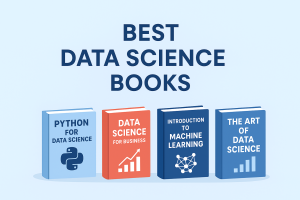
Each of these books brings in different perspectives, practical case studies, and conceptual frameworks that help decipher the intricacies of the discipline. They cater to various learning levels, from the complete beginner to the advanced practitioner, ensuring that each reader can find an accessible entrance point. The major strength of these selections is their blend of theoretical depth and hands-on relevance, a blend crucial for long-lasting mastery. For structured growth, many educators and industry mentors recommend continuous references to the following as some of the best data science books, especially for upskilling self-learners.
Table Of Content
1. “Python for Data Analysis” by Wes McKinney
2. "Hands-On Machine Learning with Scikit-Learn, Keras & TensorFlow" by Aurélien Géron
3. "Data Science for Business" by Foster Provost & Tom Fawcett
4. “The Elements of Statistical Learning” by Trevor Hastie, Robert Tibshirani & Jerome Friedman
5. "Storytelling with Data" by Cole Nussbaumer Knaflic
6. "Deep Learning" by Ian Goodfellow, Yoshua Bengio & Aaron Courville
Final Thoughts
Frequently Asked Questions
1. “Python for Data Analysis” by Wes McKinney
This is a particularly effective book if you are the kind of person who learns best by doing. The step-by-step coding approach encourages experimentation and builds confidence quickly. This hands-on style is again one of the reasons it regularly features among the best books to learn data science, not least among budding data analysts and junior data scientists.
2. "Hands-On Machine Learning with Scikit-Learn, Keras & TensorFlow" by Aurélien Géron
This title also stands out as one of the best books to learn data science, with its practical examples, interactive exercises, and strong coding guidance for those who want to move from theory into model-building as quickly as possible. This book is very often referred to by beginners, intermediate learners, and even working professionals.
3. "Data Science for Business" by Foster Provost & Tom Fawcett
This book is also important to non-technical professionals because of its readability and clarity. Titles such as this usually become the best books to learn data science for leaders transitioning into data-oriented roles from a strategic perspective. It is ideal for product managers, business analysts, and executives who want to make use of data in the best possible way.
4. “The Elements of Statistical Learning” by Trevor Hastie, Robert Tibshirani & Jerome Friedman
In fact, professionals getting ready for research roles or high-impact data science positions find this among the best books to learn data science for long-term mastery. Although it’s dense, it is incredibly powerful in building analytical reasoning for complex modeling environments.
5. "Storytelling with Data" by Cole Nussbaumer Knaflic
This book is among the best books that analysts, managers, and consultants can learn about data science from the perspective of communication. Readers conclude with a clear understanding of how to design visually compelling dashboards, reports, and presentations that influence strategic decisions.
6. "Deep Learning" by Ian Goodfellow, Yoshua Bengio & Aaron Courville
Those who wish to pursue a career in AI, computer vision, or NLP consider it as one of the best books for an advanced level of learning data science. While this book is highly technical, it will not go out of date for a long period because it is conceptual, rather than focused on specific tools.
Final Thoughts
Put together, these six books represent a very well-rounded education in programming, machine learning, analytics, business strategy, visualization, and AI. Readers at every stage of learning-from the absolute novice to the seasoned scientist-can benefit from this balanced selection. Long-term skill development is assured with this reading list, which combines theory, application, and storytelling. Whether one wants to build foundational knowledge or accelerate into complex modeling, choosing the right data science books will make your journey a lot smoother and more structured.
In a continually expanding field, the time learners invest in reading and continuous upskilling pays off more strongly in competitive roles. Applying insights from the best data science books, professionals shine with clarity, confidence, and broader perspective across projects. Thus, these remain some of the best books to learn data science, offering timeless knowledge for a field that changes every year.
Frequently Asked Questions
The best starting point would be fundamental data science books that explain concepts with examples in practice. Most experts recommend a starting point with the best data science books, at the same time considered among best books to learn data science for beginners.
No, data science is evolving, and reading updated data science books keeps the professionals relevant. So long as organizations depend on insight, the best data science books and best books to learn data science will keep guiding future learners.
According to the 80/20 rule, one might say that 80% of time gets spent in data cleaning and preparation. Again, top data science books have discussed this. Most of the top best books on data science cite this principle; hence, they are considered some of the finest books to learn data science effectively.