
What is Emotional Intelligence? Courses to Boost Your Leadership Skills
In today's fast-paced corporate world, technical skills only are not sufficient to take a person to a leading position. The distinguishing mark that sets great leaders apart from others is emotional intelligence-the ability to understand, manage, and influence emotions in oneself and others. This skill often makes all the difference in how a leader motivates his team, faces challenges, and makes strategic decisions.
If you've ever been curious about what emotional intelligence is and the role it plays in professional success, this guide will walk you through its meaning, importance, and how you can enhance it through specialized emotional intelligence training for leaders.
Table Of Content
Understanding What Emotional Intelligence Really Means
The Role of Emotional Intelligence in Leadership
Why Emotional Intelligence Matters in the Workplace
Key Benefits of Developing Emotional Intelligence
How Emotional Intelligence Impacts Leadership Styles
Building Emotional Intelligence: A Step-by-Step Process
Top Emotional Intelligence Courses for Leaders
Emotional Intelligence in the Workplace
How Emotional Intelligence Shapes Future Leaders
Conclusion
Frequently Asked Questions
Understanding What Emotional Intelligence Really Means
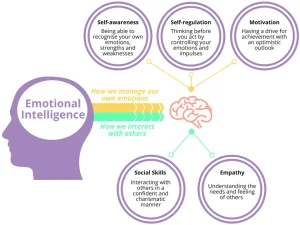
It consists of four major elements:
- Self-awareness means to realize your emotions and their impact on your behavior.
- Self-management includes regulating impulses, adapting to change, and maintaining a positive outlook.
- Social awareness-the ability to understand and feel for the emotions of others.
- Relationship management: creating strong, cooperative, and inspirational relationships.
These elements of emotional intelligence allow leaders to connect genuinely with their teams, manage conflict efficiently, and build a culture of trust and engagement.
*Simply Psychology
The Role of Emotional Intelligence in Leadership
By leveraging emotional intelligence, leaders can:
- Inspire trust and loyalty among team members.
- Encourage open communication and psychological safety.
- Handle high-pressure situations with grace and thoughtfulness.
- Handle conflicts and feedback with tact and empathy.
According to Harvard Business Review research, almost 90% of top-performing leaders scored high in emotional intelligence. This shows how critical emotional intelligence training for leaders is in cultivating strong managerial and interpersonal skills.
Why Emotional Intelligence Matters in the Workplace
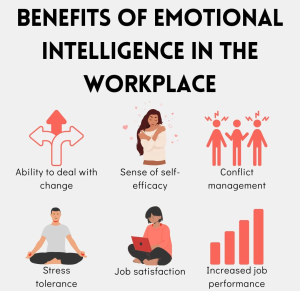
Employees with high emotional intelligence can:
- Adapt better to change.
- Communicate well in diverse teams.
- Manage stress and avoid burnout.
- Handle feedback constructively.
Where the leader can exercise emotional intelligence in leadership, the tone set is one of empathy, understanding, and inclusion. The result of this is improved morale, reduced turnover, and greater employee engagement.
As a matter of fact, organizations that invest in emotional intelligence training for leaders often report a significant rise in team performance and collaboration.
Key Benefits of Developing Emotional Intelligence
1. Better Decision-Making
Leaders possessing high emotional intelligence are able to distinguish emotion from logic and make decisions for the benefit of the team and the organization as a whole. They manage pressures with calmness and select thoughtful options.
2. Stronger Communication Skills
Communication is the heart of leadership. Knowing what emotional intelligence is allows the leader to structure communication with different personalities, which fosters better collaboration and minimizes misunderstandings.
3. Empathy Enhanced
Empathy is one of the cornerstones of emotional intelligence at work. It helps leaders connect with their teams on a human level, making them more approachable and trustworthy.
4. Better conflict resolution
Conflicts will always happen, but emotionally intelligent leaders know how to handle disagreements respectfully and objectively. Emotional intelligence training for leaders teaches various techniques in managing tension without damaging relationships.
5. Increased Team Productivity
Emotional intelligence in leadership encourages motivation and trust. It helps employees feel valued and supported, thus improving performance and increasing engagement.
How Emotional Intelligence Impacts Leadership Styles
- Transformational Leaders: Employ emotional awareness to inspire innovation and vision.
- Democratic Leaders: Practice empathy and social awareness, ensuring every voice is heard.
- Coaching Leaders: How to Apply Emotional Intelligence in Leadership to Guide and Mentor Individuals toward Their Potential.
Regardless of your leadership style, know that emotional intelligence helps you align business goals with human values-the hallmark of a truly effective leader.
Building Emotional Intelligence: A Step-by-Step Process
1. Increase Self-Awareness
Observe how your emotions impact your decisions and interactions. You can do this through journaling or asking for feedback from peers.
2. Practice Self-Regulation
Acquire the skill of managing stress and emotional triggers. Practice mindfulness, meditation, and breathing techniques to maintain composure.
3. Empathize
Empathy is at the heart of emotional intelligence in leadership. Listen actively, acknowledge others’ perspectives, and respond thoughtfully.
4. Social Skills Development
Strong interpersonal skills are the secret to emotional intelligence at work. Communicate honestly, collaborate, and build trust across groups.
5. Continuous Learning
Growth for leaders can be catalyzed through engaging in emotional intelligence training with structured activities, assessments, and expert guidance.
Top Emotional Intelligence Courses for Leaders
1. Emotional Intelligence Masterclass – LinkedIn Learning
This course, targeted at all levels of professionals, aims to give the basics of what emotional intelligence is and provide some tools for better communication, empathy, and team management.
2. Emotional Intelligence Training for Leaders – Harvard Online
This course targets senior executives and focuses on emotional intelligence in leadership decision-making, the handling of conflict, and psychologically safe teams.
3. Leading with Emotional Intelligence – Coursera (Case Western Reserve University)
This course merges science-based knowledge with practical insights to enhance emotional intelligence within the workplace. It assists leaders in developing self-awareness and empathy for team success.
4. Executive Programme in Leadership, & Strategy– IIT Delhi (via Jaro Education)
This thorough program combines strategic management with emotional intelligence training for leaders, equipping professionals with the tools needed to drive transformational and innovative leadership.
Emotional Intelligence in the Workplace
- Encourage Open Communication: Creating a culture where employees feel it safe to share their opinions and feedback.
- Emotional Recognition: Recognize emotional cues through tone, body language, and expressions in order to respond more empathetically.
- Provide Constructive Feedback: Use tact and understanding when offering criticism or performance reviews.
- Positive Stress Management: Encourage mindfulness and stress management in your team.
- Celebrate Success: Acknowledge efforts and recognize achievements to reinforce motivation and morale.
Leaders who are able to implement emotional intelligence at work serve as examples to others, leading to better teamwork, superior problem-solving, and overall success of the organization.
How Emotional Intelligence Shapes Future Leaders
As automation and AI continue to reshape industries, the human side of leadership-empathy, self-regulation, and relationship management-will only become more important. That’s why investing in emotional intelligence training for leaders today can create a more compassionate and forward-thinking workforce for tomorrow.
Conclusion
Knowing what emotional intelligence is and how to strategically use it may redefine how you lead and succeed. Leaders who accept emotional intelligence as part of their leadership inspire trust, collaboration, and innovation in their teams.
Through continued learning and training in emotional intelligence for leaders, professionals will learn to control their emotions, handle workplace challenges with a great deal of empathy, and drive sustainable success.
In today’s world, where human interaction is the linchpin for productivity, emotional intelligence in the workplace is not a skill but a leadership core competency.
Frequently Asked Questions
Examples of emotional intelligence are self-awareness, empathy, active listening, and conflict resolution. These qualities enhance emotional intelligence in leadership and facilitate better communication in a workplace environment.